
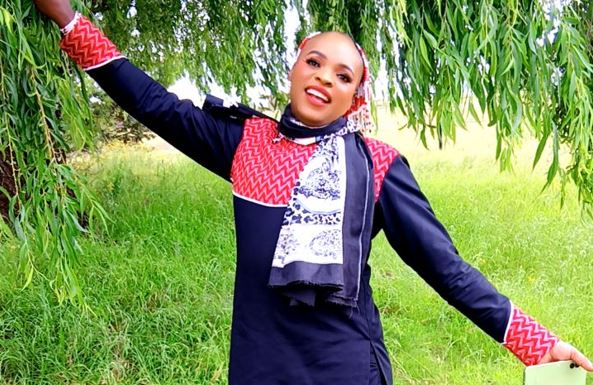
Lesotho Teachers Trade Union (LTTU) recently made history by appointing its first ever Head of Programs: LGBTQI+ Agendas Tšele Fako (TF) marking a significant step for inclusion and advocacy within the country’s education sector. In this in-depth interview with Ntsoaki Motaung (NM), the newly appointed Head shares insights about their journey, the challenges and hopes for LGBTQI+ learners and teachers, and what the future of inclusive education could look like in Lesotho.
NM: Congratulations once again on your appointment! How did you receive the news?
TF: Thank you very much. I received the news with a mixture of excitement, humility and a strong sense of responsibility. It was a significant moment for me because I understood that this appointment was not simply about holding a title. It was an opportunity to contribute to creating better and safer working and learning environments. I also recognised that the position comes with expectations from teachers, learners and the broader LGBTQI+ community. I therefore received the appointment as both an honour and a responsibility to serve.
NM: Can you tell us about yourself; where you grew up and what shaped your activism?
TF: I am a teacher by profession, and education has always been central to my life. My experiences as an educator have exposed me to the different realities that learners and teachers experience every day. My activism has grown from seeing people being treated unfairly because of who they are or because they do not fit society’s expectations. I believe that education should create opportunities for every person to learn, participate and develop without unnecessary discrimination. My journey has taught me that advocacy is not simply about speaking loudly. It is about listening, educating, building relationships and creating practical solutions.
NM: Many people know you from People’s Matrix / LGBTIQ advocacy. What’s a moment in your journey that defined you?
TF: One of the defining aspects of my journey has been seeing people who initially felt isolated begin to realise that they are not alone. There have been moments when simply listening to someone’s experience, giving them information or connecting them with appropriate support has made a difference. Those experiences reinforced my belief that advocacy is about people first. They also taught me that meaningful change does not happen overnight. It happens through consistent education, dialogue and persistence.
NM: What does Head of Programs: LGBTQI+ Agendas at Lesotho Teachers Trade Union entail? What are your key responsibilities?
TF: The role is fundamentally about ensuring that LGBTQI+ issues are appropriately considered within the union’s programmes, particularly where they relate to teachers, learners, workplace rights and education. My responsibilities include identifying relevant issues, coordinating programmes, promoting awareness and education, engaging stakeholders, and advocating for fair and non-discriminatory working and learning environments. Importantly, I see the office as a platform for dialogue and problem-solving rather than confrontation.
NM: Why do you think LTTU created this specific portfolio especially now?
TF: I believe the creation of the portfolio reflects an understanding that teachers’ rights and working conditions include the right to work in an environment where people are treated with dignity and fairness. Schools are also communities. If teachers and learners experience discrimination or exclusion, that can affect the entire educational environment. Creating a dedicated portfolio provides a structured way of addressing these concerns rather than leaving them unaddressed.
NM: This is the first time we’ve seen a role like this in a teachers union in Lesotho. What makes it historic?
TF: What makes it significant is that LGBTQI+ inclusion is being brought into the conversation within a teachers’ trade union through a formal portfolio. Teachers influence generations of Basotho. When an issue is recognised within the education and labour space, it creates an opportunity for structured dialogue and education. For me, the historic part is not simply having the title. It is the possibility of building systems that can continue to serve teachers and learners beyond one individual.
NM: What are your top three priorities in the first 100 days?
TF: My first priority is consultation. I want to listen to teachers, learners, relevant organisations and other stakeholders so that our programmes respond to actual needs. My second priority is awareness and capacity building. Teachers need access to accurate information about inclusion, discrimination, bullying and professional responsibilities. My third priority is developing practical programmes and partnerships that can support safer and more inclusive educational environments. I would rather build something sustainable than make promises that cannot be implemented.
NM: What are the lived realities of LGBTIQ learners and teachers in Lesotho schools right now?
TF: The experiences are not the same everywhere. Some learners and teachers may experience acceptance and support, while others may experience stigma, bullying, isolation or pressure to hide aspects of themselves. We also need to recognise that rural and urban experiences can differ, and that access to support is not always equal. That is why evidence and consultation are important. We need to listen to people’s actual experiences rather than making assumptions about them.
NM: What kind of cases have you witnessed, i.e. bullying, expulsion, discrimination, silence?
TF: Concerns can include bullying, verbal harassment, social exclusion, discrimination and situations where people feel unable to report what they are experiencing. However, I think we should be careful about making generalisations. Every case needs to be properly documented and handled according to the relevant policies, procedures and laws. One of our challenges is that people may remain silent because they fear consequences. Creating safe reporting and support mechanisms is therefore important.
NM: How do you plan to make learning and working environments safer and more inclusive?
TF: Safety begins with respect and clear procedures. We need awareness programmes, appropriate teacher training, mechanisms for reporting discrimination and bullying, and proper referral systems where specialised assistance is required. We also need to work with school leadership and other stakeholders so that inclusion becomes part of everyday professional practice rather than something discussed only when a crisis occurs.
NM: Will you be training teachers, developing policy, or reviewing curriculum? What practical changes should we expect?
TF: There is room for all three, but they should be approached carefully and collaboratively. Teacher training can help educators understand issues such as bullying, discrimination, confidentiality, professional conduct and appropriate responses to learners who need support. Policy work can help clarify procedures and responsibilities. Curriculum-related issues should involve the appropriate education authorities and curriculum structures. My role would be to advocate for evidence-based and inclusive approaches while respecting the established processes.
NM: Trade unions are traditionally about salaries and working conditions, how does LGBTIQ inclusion fit into trade union work?
TF: Trade unions are fundamentally concerned with workers’ rights, dignity and working conditions. If a teacher experiences discrimination or harassment at work because of who they are, that is a workplace issue. Therefore, LGBTQI+ inclusion is not separate from trade unionism. It can form part of the broader conversation about equality, dignity, fair treatment and safe working environments.
NM: How did LTTU members react to your appointment? Have you faced any pushback?
TF: People naturally have different perspectives, especially when discussing issues that can be sensitive in society. My approach is not to assume that everyone will immediately understand or agree with every aspect of the work. I want to engage people respectfully, answer questions and create opportunities for dialogue. Where there are disagreements, we should deal with them professionally rather than turning them into personal conflicts.
NM: How do you plan to build togetherness among teachers who may hold conservative or religious views?
TF: Respect is important. Teachers have different beliefs, backgrounds and values. My responsibility is not to attack someone’s religion or personal beliefs. It is to promote professional environments where people are treated fairly and respectfully. We can have different beliefs while still agreeing that bullying, harassment and unnecessary humiliation are harmful. Dialogue gives us an opportunity to identify areas of common ground.
NM: Lesotho is still a very conservative society, what challenges do you anticipate?
TF: There will certainly be challenges. Some will come from misunderstanding, social attitudes, misinformation and fear of discussing LGBTQI+ issues. Another challenge is ensuring that conversations remain respectful and evidence-based. I believe the response should be education, patience, consultation and professionalism. Sustainable change requires people to understand why particular measures are being proposed.
NM: How do you respond to people who say ‘LGBTIQ issues don’t belong in schools’?
TF: I would say that schools already deal with issues of bullying, discrimination, dignity, safety and the wellbeing of learners and teachers. The question should therefore be: how do we ensure that every learner and teacher is treated appropriately within the educational environment? We do not have to agree on every social or personal question to agree that learners deserve safety and teachers deserve a professional working environment.
NM: How do you protect your own mental health and safety while doing this work?
TF: I remind myself that advocacy is a long-term journey. I cannot solve every problem personally. I believe in maintaining healthy boundaries, working with others, seeking appropriate support when necessary and taking time to rest. Safety is also important. Advocacy should be organised and professional rather than putting individuals unnecessarily at risk.
NM: What does success look like for you in this role in 1 year? In 5 years?
TF: After one year, I would like to see a functioning programme with meaningful consultations, awareness activities, partnerships and clear areas of work. In five years, I would hope that LGBTQI+ inclusion within the education and labour environment is approached through established systems rather than depending entirely on one individual. Ultimately, success would mean that teachers and learners can raise concerns and access appropriate support without fear of unnecessary discrimination or harassment.
NM: What would inclusive education in Lesotho look like if you had your way?
TF: I would like to see an education system where every learner is able to participate and learn with dignity, and where teachers are able to perform their professional responsibilities without discrimination. Inclusive education should recognise that learners have different backgrounds, abilities, circumstances and experiences. It should also equip teachers with the knowledge and skills to respond professionally to diversity.
NM: What message do you have for an LGBTIQ learner or teacher who is hiding their identity at school today?
TF: You are not alone, and your dignity matters. At the same time, I would encourage you not to put yourself in danger by feeling pressured to disclose personal information before you are ready or before it is safe to do so. If you are experiencing bullying, harassment or discrimination, seek help from a trusted and appropriate person or support service. Your education and professional future matter, and you deserve an environment where you can pursue them with dignity.
NM: Finally, what would you like young Basotho, especially in rural areas, to know about you and this new office?
TF: I would like young Basotho to know that their experiences matter, regardless of where they come from. Being in a rural area should never mean that you have less access to information, dignity or opportunities. This office is an opportunity to bring conversations about inclusion into spaces where they may not previously have been discussed openly. I also want young people to understand that change does not happen through one person alone. Teachers, learners, parents, unions, communities and institutions all have a role to play. My message is simple: let us learn from one another, respect our differences and work together to build an education system where every person can learn and work with dignity.
Summary
- In this in-depth interview with Ntsoaki Motaung (NM), the newly appointed Head shares insights about their journey, the challenges and hopes for LGBTQI+ learners and teachers, and what the future of inclusive education could look like in Lesotho.
- I believe the creation of the portfolio reflects an understanding that teachers’ rights and working conditions include the right to work in an environment where people are treated with dignity and fairness.
- What makes it significant is that LGBTQI+ inclusion is being brought into the conversation within a teachers’ trade union through a formal portfolio.
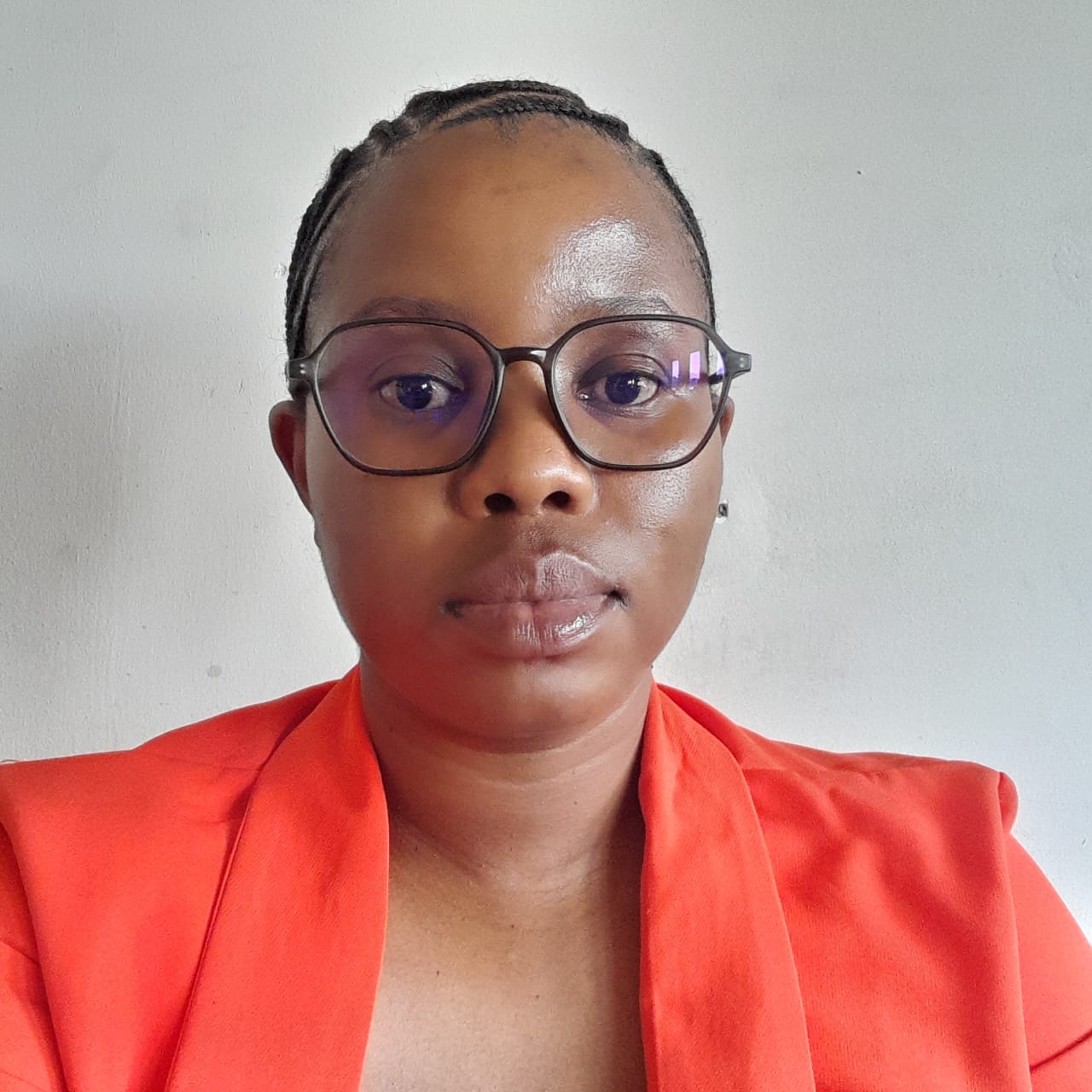
Ntsoaki Motaung is an award-winning health journalist from Lesotho, specializing in community health stories with a focus on sexual and reproductive health and rights, as well as HIV. She has contributed to platforms like “Be in the KNOW,” highlighting issues such as the exclusion of people with disabilities from HIV prevention efforts in Lesotho.
In addition to her journalism, Ntsoaki serves as the Country Coordinator for the Regional Media Action Plan Support Network (REMAPSEN). She is also a 2023 CPHIA Journalism Fellow.