
Ntsoaki Motaung
Although he could not provide living examples of young girls or women in Lesotho experiencing adverse effects from the Human Papillomavirus (HPV) vaccine, Member of Parliament (MP) Remaketse Sehlabaka remains convinced that the vaccine poses risks to recipients.
On November 6, this year, Sehlabaka tabled a motion before the National Assembly stating: “That this Honourable House urges the Government of Lesotho to stop, with immediate effect, the cervical cancer vaccinations on Basotho female adolescents aged nine years and older, with regard to the health risks and hazards involved.”
Speaking to Newsday, Sehlabaka explained that the motion remains unresolved as the National Assembly is currently on Christmas recess.
As a herbalist, he acknowledged that all medications have side effects but argued that the adverse effects of HPV vaccines—though reportedly rare—are concerning.
“Although the adverse effects of the HPV vaccine are said to be rare, I cannot sit back and watch girls and women being given a vaccine that could potentially cause death. I cannot allow Basotho children to suffer such effects,” he stated.
Sehlabaka referenced his information source, Dr. Jennifer Ashton, who has written about “The HPV Vaccine Debate”.
According to Ashton, in 2009, more than 23 million doses of the vaccine were administered, with 770 reported adverse effects and 32 deaths.
Sehlabaka argued that while these figures may seem low, they are significant to individuals affected, particularly since vaccines are generally administered to healthy individuals aiming to prevent illness.
Quoting additional data, Sehlabaka claimed that out of 23,051,336 doses distributed, 93 percent of adverse effects were classified as non-serious, while 6.2 percent were serious, resulting in hospitalisations, disabilities, and deaths.
“The adverse effects may include mental issues, depression, dementia (bolebali), hypertension, and weakened immune systems,” he added.
He suggested that instead of vaccinations, Lesotho should focus on promoting healthier lifestyles, particularly through improved nutrition.
Sehlabaka contended that “cancer is largely a lifestyle disease.”
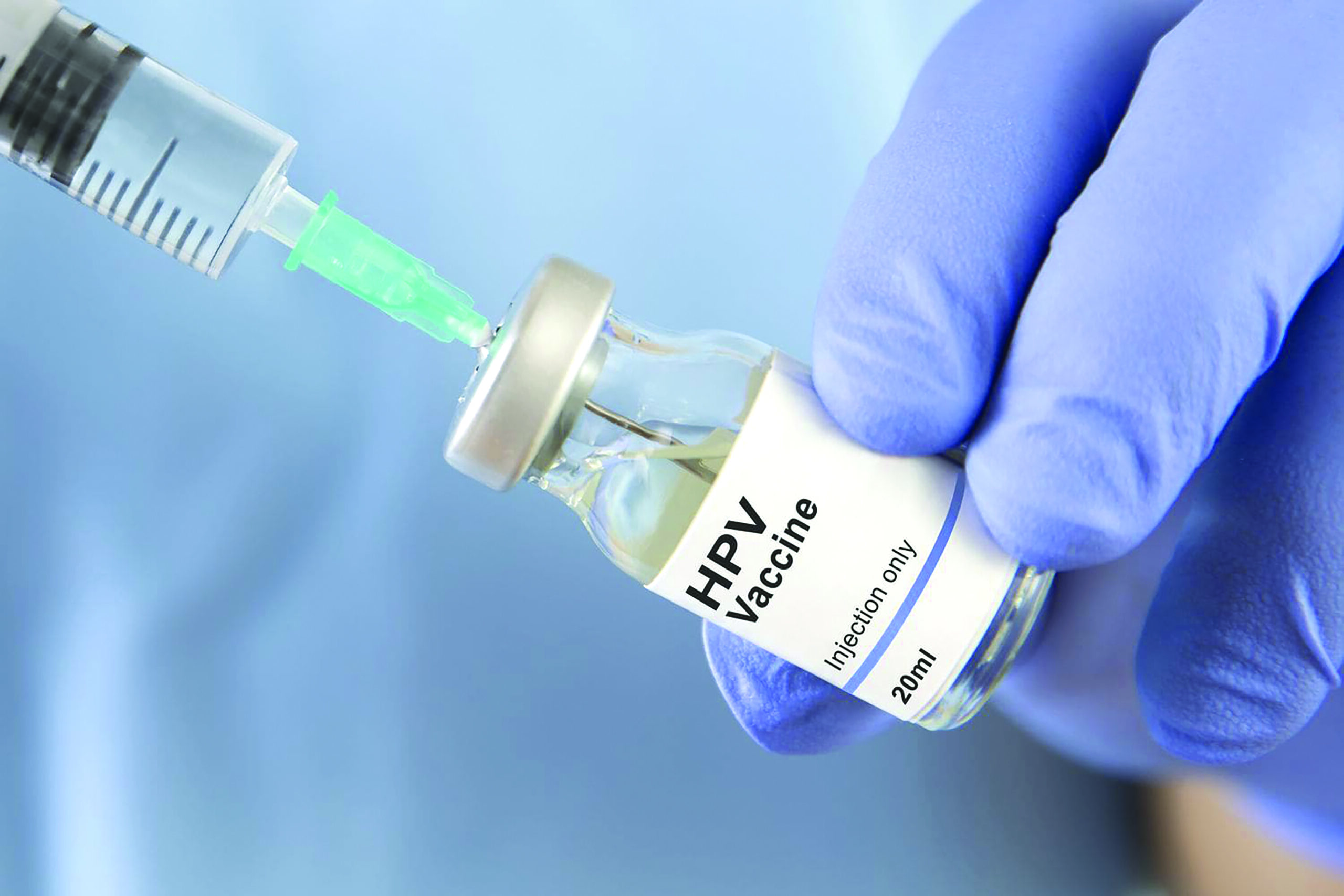
HPV Vaccine campaign sees significant progress
Meanwhile, in May, Her Majesty Queen ‘Masenate Mohato Seeiso announced that over 139,000 girls aged 9 to 14 had received the HPV vaccine in Lesotho, marking significant progress in the country’s fight against cervical cancer.
The Queen highlighted Lesotho’s alignment with the global strategy to eliminate cervical cancer, launched in November 2020.
She stressed that this initiative is vital not only for healthcare but also for poverty reduction, education accessibility, and improving women’s and children’s health outcomes.
During the second phase of the national HPV vaccination campaign, former WHO Country Representative Dr. Richard Banda emphasised the vaccine’s importance as a cost-effective method to prevent cervical cancer.
“The WHO recommends HPV vaccines for girls as a core strategy for cervical cancer prevention. The Global Strategy calls for 90 percent of all girls to be vaccinated against HPV by age 15 by 2030,” Banda said.
He underscored the urgency to close gaps in vaccination, screening, and treatment, adding: “No woman should lose her life to cervical cancer. All women and girls must claim this right because they are essential to the country’s development aspirations. HPV vaccines are safe. With over 200 million doses administered globally, no major side effects have been reported.”
Summary
- Although he could not provide living examples of young girls or women in Lesotho experiencing adverse effects from the Human Papillomavirus (HPV) vaccine, Member of Parliament (MP) Remaketse Sehlabaka remains convinced that the vaccine poses risks to recipients.
- “Although the adverse effects of the HPV vaccine are said to be rare, I cannot sit back and watch girls and women being given a vaccine that could potentially cause death.
- Meanwhile, in May, Her Majesty Queen ‘Masenate Mohato Seeiso announced that over 139,000 girls aged 9 to 14 had received the HPV vaccine in Lesotho, marking significant progress in the country’s fight against cervical cancer.

Welcome to Newsday Media – Your Trusted Source for News and Insights in Lesotho!
At Newsday Media, we are passionate about delivering accurate, timely, and engaging news and multimedia content to our diverse audience. Founded with the vision of revolutionizing the media landscape in Lesotho, we have grown into a leading hybrid media company that blends traditional journalism with innovative digital platforms.
Our mission is simple: to inform, inspire, and empower our readers by providing comprehensive coverage of local and global events, current affairs, and cultural happenings. Whether you’re looking for breaking news, in-depth analysis, or captivating storytelling, Newsday Media is your go-to destination for all things news-related.
With a dedicated team of journalists, editors, and multimedia experts, we are committed to upholding the highest standards of journalistic integrity and professionalism. We pride ourselves on delivering content that not only informs but also sparks conversation, fosters understanding, and drives positive change in our society.
From our flagship newspaper to our dynamic digital platforms, we offer a wide range of multimedia content to cater to the diverse interests and preferences of our audience. Whether you prefer to stay informed through print, online articles, videos, or podcasts, Newsday Media has something for everyone.
We believe in the power of storytelling to connect people, bridge divides, and inspire action. That’s why we’re dedicated to providing a platform for voices from all walks of life, championing diversity, inclusion, and authenticity in everything we do.
Thank you for visiting Newsday Media. We invite you to explore our website, engage with our content, and join us on our journey to inform, inspire, and empower our community. Together, let’s shape the future of media in Lesotho.